
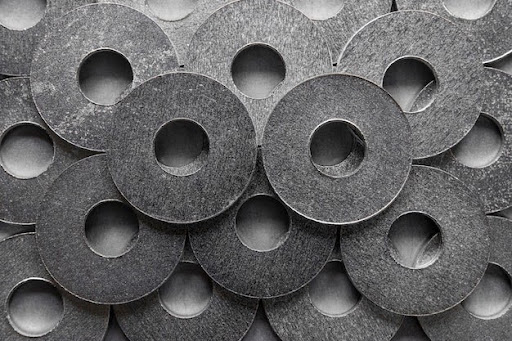
Industries often require components that deliver high density, reliable strength, and precise dimensions within limited spaces. Custom tungsten heavy alloy components help meet these requirements by combining tungsten with binder metals such as nickel, iron, or copper. This material offers a useful balance of density, mechanical performance, and machinability compared with pure tungsten.
1. Achieve High Density in Compact Designs
One major advantage of tungsten heavy alloy is its high density, which allows manufacturers to produce compact components with substantial mass. This is useful for counterweights, balancing systems, and equipment where available space is limited.
Custom dimensions help engineers achieve the required weight without redesigning the surrounding assembly. Buyers exploring tungsten heavy alloy for sale can compare available density grades and dimensions to identify components that meet their specific engineering requirements.
2. Improve Strength and Mechanical Performance
Custom tungsten heavy alloy parts provide a combination of strength and ductility that makes them useful in demanding industrial applications. Their properties depend on alloy composition, manufacturing processes, and grade selection.
Compared with pure tungsten, these alloys are generally easier to machine into finished components. When evaluating tungsten heavy alloy for sale, review the required mechanical properties and request material documentation to ensure the selected grade meets your application’s needs.
3. Benefit from Precise Custom Manufacturing
Custom manufacturing allows components to be produced according to specific drawings, dimensions, and tolerances. This is particularly valuable when parts must fit specialized machinery or precision assemblies. Depending on the design, manufacturers can machine tungsten heavy alloy into blocks, rods, weights, and other component shapes.
Buyers considering tungsten heavy alloy for sale should provide detailed drawings and dimensional requirements to help suppliers assess manufacturability, inspection needs, and production costs.
4. Support Radiation Shielding Applications
Tungsten heavy alloys are used in certain medical, scientific, and industrial applications that require radiation shielding.
Their high density and atomic number help attenuate X-rays and gamma rays, making them useful where shielding space is restricted. Custom shapes can help components fit specialized equipment and shielding assemblies.
5. Reduce Design Limitations and Machining Challenges
Custom components can simplify equipment design by providing the required shape and mass without relying on extensive modifications during installation.
Tungsten heavy alloys are generally more machinable than pure tungsten, although machining requirements vary by composition and component geometry. This can make them practical for specialized industrial parts.
6. Choose Components That Match Your Budget and Requirements
Purchasing custom parts requires balancing material performance, manufacturing costs, delivery schedules, and quality assurance. A reliable supplier should explain available grades, inspection procedures, and relevant material certifications.
Requesting quotations from qualified manufacturers can help you compare specifications rather than price alone. Businesses searching for tungsten heavy alloy for sale should also consider order quantities, repeat-production needs, and supplier experience.
Final Thoughts
Custom tungsten heavy alloy components offer valuable benefits for applications requiring high density, strength, precise dimensions, and specialized designs. Their versatility makes them useful for counterweights, balancing equipment, and radiation shielding assemblies. Selecting the correct grade and manufacturing process is essential for achieving dependable results. By evaluating technical specifications, material documentation, and supplier capabilities, businesses can make informed purchasing decisions.